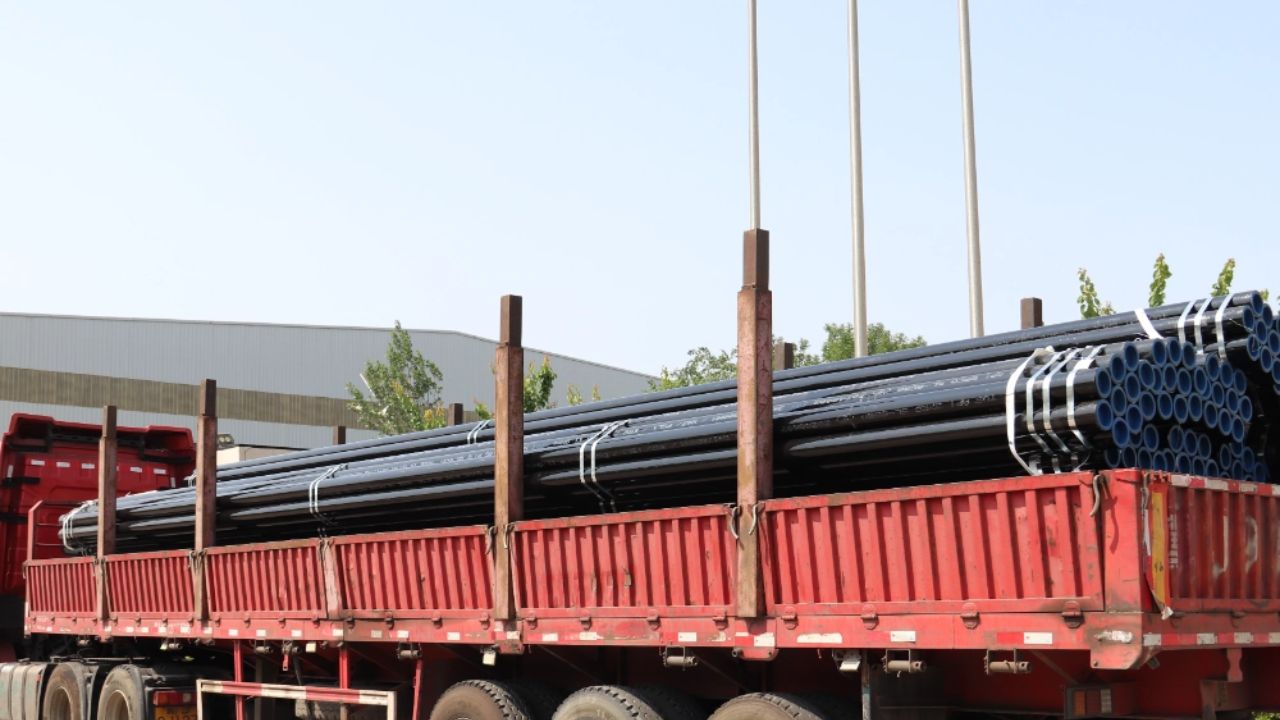
One of the most significant aspects of the pipeline design is the steel pipe outer diameter since it influences nearly all the elements of a piping system. Outer diameter (OD) is at the center of the pipeline functionality, as it is involved in fitting and installation processes, flow performance, structural strength, and so on. It is not viewed as a simple figure on a specification sheet by engineers. Rather, it is a design parameter that determines whether a system will run without problems or experience technical problems during the process of installation and use. Even a minor difference in the outer diameter, compared with the steel pipe outer diameter chart, in industrial projects may result in delays, safety issues, and additional expenses.
Foundation of Proper Pipeline Fit
The outer diameter of steel pipes is necessary as it makes sure that it fits between the pipes and other related parts. All pipeline products are designed using standard OD measurements. When the outer diameter is not accurate, the components will not fit properly, leading to the risk of leakage or requiring on-site adjustments. This may delay the construction and raise labor expenses. Standard OD sizing: This is done to make all parts of the pipeline system fit together without necessitating adjustment. This renders the outer diameter a fundamental need for the precise and efficient assembling of the pipeline.
Direct Impact on System Performance
The outer diameter also affects the efficiency of a pipeline to transport fluids. OD is a fixed external measurement, but it influences the choice of wall thickness. This, in turn, affects the inner diameter. The inner diameter regulates the flow rate, pressure drop, and the speed of the fluid within the pipe. Unless the OD and wall thickness combination is appropriate, the system might experience decreased efficiency or non-uniform flow. In the oil, gas, and water distribution industries, it is important to maintain stable flow conditions. Thus, an adequate OD selection contributes to the improved work of the system and its stable functioning in the long term.
Structural Strength and Safety Considerations
Another reason that makes the outer diameter such a significant consideration in the design of a pipeline is safety. Pipes should be able to withstand the pressure of the inside and the outside forces, such as soil pressure, weather conditions, or mechanical stress. The appropriate choice of OD, used with the appropriate wall thickness, assists the pipe in being strong and avoiding deformation. When the OD is excessive and not thickened, it can be easily crushed between the structures when it is pressured. Conversely, a balanced OD will be durable and minimize chances of failure, particularly in high-pressure or underground pipelines.
Influence on Cost and Material Usage
OD has a direct impact on the general cost of a pipeline project. Big OD pipes are more costly in steel, and thus production, transport, and installation costs are higher. They might also require more powerful supports and further handling equipment. Simultaneously, selecting a smaller OD than necessary may result in performance issues and additional expenses on replacements in the future. Engineers are thus required to strike a balance between the performance requirements and budget constraints. The appropriate choice of OD can be used to minimize the amount of unnecessary materials, and yet the system is able to satisfy the operational needs efficiently.
Installation Efficiency and On-Site Compatibility
When the right outer diameter is employed at the beginning, installation work is much simpler. On construction sites, pipelines have to fit into spaces and match with existing systems. In case of faulty OD measurements, workers will have to adjust pipes on-site, slowing down the work and raising the risk of mistakes. Standardized OD sizes are easier to install, safer, and more predictable. This is particularly so when undertaking major industrial projects where time and accuracy are paramount to a successful outcome.
Importance of Standardization in Engineering Design
Common outer diameter systems like DN and NPS provide uniformity in the design and manufacture of pipelines worldwide. These standards enable pipes made in various areas to interact without any compatibility problems. Companies such as PANDAPIPE adhere to rigorous standards of OD in order to make sure that their products will be applicable in international projects without fitting issues. The standardization further makes engineering design, procurement, and maintenance easier, which makes pipeline systems more dependable and manageable in various industries.
Conclusion
The outer diameter of steel pipes is a very critical parameter that determines almost all parameters of the pipeline design, such as the accuracy of fitting of the fittings, performance of the system, safety, cost, and ease of installation. An appropriate selection of OD will guarantee that the components are able to work well and efficiently and that pipeline is able to perform well in the long-term. Neglect of OD may cause technical failures, higher costs, and delays in projects. Through proper attention to outer diameter choice and standardization, engineers have managed to create safer, more efficient, and more durable pipeline systems complying with technical and economic needs.